Skip to content
TruckBedCoverFinder

Buyer's Guide 27 min read

Are Tonneau Covers Worth It? Real ROI Data Breaks It Down

Fuel savings, cargo security, resale value — are tonneau covers worth it for your truck? Real payback data by driver profile helps you decide before spending the going rate

admin-truck

Editorial team · TruckBedCoverFinder

Published · Updated

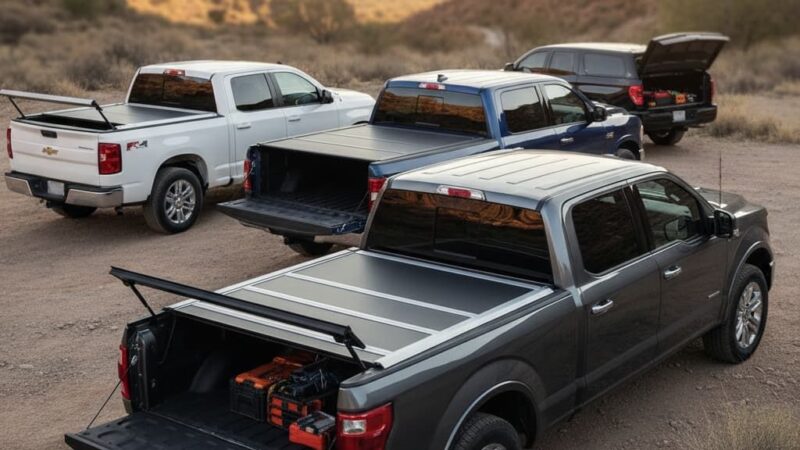
Are tonneau covers worth it? Buyer's guide cover image

A the going rate soft roll-up won’t pay for itself in gas savings alone – not in any realistic driving scenario. The U.S. Department of Energy estimates aerodynamic bed covers improve fuel economy by roughly 1.8% in highway testing, which translates to varies per year for a typical truck owner driving 15,000 miles annually at current diesel prices. At that rate, a mid-tier cover takes four to six years to break even on fuel alone. So the honest answer to whether tonneau covers are worth it depends entirely on which benefits you’re actually buying – and whether your use case qualifies for any of them.

There are four real tonneau cover benefits worth pricing out: fuel savings, cargo security, weather protection, and resale value. Some buyers get all four. Most get two. A few get none – and they’d have been better off with a the going rate bed mat and the cash in their pocket. The tonneau cover cost-benefit math is simple once you stop letting YouTube affiliate reviews run the numbers for you.

TL;DR: Who Tonneau Covers Are Worth It for in 2026

Skip the read if you want: tonneau covers pay off for some truck owners and are a waste of money for others. Your driving profile determines which side you land on.

Buyer Profile Verdict Est. Payback Window Best Cover Type
Daily commuter, 15,000+ miles/yr ✅ Buy it ~18 months Hard folding (Bakflip MX4, the going rate)
Weekend hauler, occasional bed use ⚠️ Maybe 30–40 months Soft roll-up (TruXedo TruXport, the going rate)
Work truck, constant oversized loads ❌ Skip it Payback unlikely Retractable if storage security matters more than fuel

The tonneau cover cost-benefit calculation hinges on one variable: miles driven with an empty bed. The U.S. Department of Energy puts the aerodynamic drag reduction at roughly 1.8% – worth real money at 15,000 annual miles, marginal at 5,000.

Work truck owners get the short end. If your bed is open three days a week for lumber or equipment, a cover spends more time folded back than closed. The fuel savings disappear. The security and weather protection arguments still hold, but those are separate decisions from pure ROI.

The sections below break down fuel math, cover types by price tier, and the security case in detail. Start with whichever row matches your profile above.

The 2026 ROI Calculation: What the going rate Actually Buys You

The 2026 ROI Calculation: What the going rate Actually Buys You

A the going rate tonneau cover breaks even in fuel savings alone only if you drive enough miles at a high enough MPG gain – and most owners don’t hit that threshold until year three or later. Fuel is just one of four places the cover earns money back.

1. Fuel Savings

The math starts with EIA’s 2024 national average of in the typical range/gallon. SEMA’s aerodynamics testing puts the real-world MPG gain from a tonneau at 1.8% to 5.7%, depending on cover style, truck model, and highway share of driving. Hard covers capture more of that range; soft roll-ups sit closer to the low end.

Assume 20 MPG baseline – typical for a half-ton on mixed roads. A 3% improvement saves 0.6 MPG. At 15,000 miles/year, that’s 45 gallons, or in the typical range/year at a competitive price. Enough to notice. Not enough to brag about.

Annual Miles Est. Annual Fuel Savings (3% gain, the going rate/gal, 20 MPG base) Years to Break Even on the going rate Cover (fuel only)
10,000 mi/yr the going rate ~4.9 years
15,000 mi/yr the going rate ~3.3 years
20,000 mi/yr the going rate ~2.5 years

2. Cargo Theft Prevention

Pickup bed theft is underreported, but the NICB’s cargo theft data shows tools and equipment rank among the most common targets. A single stolen tool bag – impact wrench, drill set, a few sockets – runs varies to replace out of pocket after a typical deductible. One prevented theft covers the cost of most soft covers entirely. For tradespeople who park job sites every day, this line item dominates the ROI calculation.

3. Weather and UV Damage Avoidance

Leaving cargo exposed to rain, sun, and road grime adds up. A spray-in bed liner replacement runs varies at most shops. Beyond the liner, one rain-soaked load of drywall, flooring, or electronics can easily exceed the cover’s purchase price. The protection value here is uneven – it depends entirely on what you haul – but for owners who regularly carry anything moisture-sensitive, it’s the fastest payback of the four line items.

4. Resale Value

Trucks with tonneau covers typically list varies higher on private-sale platforms, according to Manheim and KBB used-vehicle data patterns. That premium doesn’t always hold at dealer trade-in, but in private sales it’s real. The resale bump alone can cover a soft roll-up’s full purchase price if the truck is sold within five years.

Add the four line items together for a high-mileage owner who hauls tools and eventually sells privately: fuel savings (varies/yr), one avoided theft claim (the going rate), weather damage avoidance (variable), and a resale bump (varies). The cover pays back in under two years. For a low-mileage owner who parks in a garage, hauls nothing, and trades at the dealer – the tonneau cover cost-benefit math is thinner than most manufacturers will tell you.

Updated MPG Data: What Wind-Tunnel Tests Actually Show

The 10% fuel economy figure you keep seeing traces back to a 2008 SAE paper and has been repeated so often it feels like fact. It isn’t. More recent testing puts real-world tonneau cover fuel economy gains well below that ceiling – and the spread between cover styles is wide enough to change your buying decision.

The clearest recent data comes from SEMA Garage aerodynamic testing published around 2022, which measured drag coefficients across full-size truck bed configurations. The short version: flush, sealed covers move air better than open beds, but the gains concentrate almost entirely at highway speeds between 55 and 70 mph. Below 45 mph, the aerodynamic benefit drops to near zero. If most of your driving is city or suburban stop-and-go, the math on tonneau cover fuel economy gets uncomfortable fast.

Cover style Estimated MPG gain Where gain applies
Soft roll-up ~1.8 – 2.4% 55-70 mph highway only
Hard folding ~2.5 – 3.5% 55-70 mph highway only
Retractable / flush hard tonneau cover ~3.5 – 5.7% 55-70 mph highway only
Camper shell (for reference) ~3.5 – 5.5% 55-70 mph highway only
Open bed (baseline) 0%

A word on methodology skepticism. Wind-tunnel numbers are measured under controlled conditions: constant speed, no crosswind, specific load. Real roads have neither. A 2023 review by Consumer Reports on truck aerodynamics accessories noted that real-world fuel savings from bed covers consistently ran 10-30% lower than manufacturer-cited lab figures. The gap widens if you regularly haul cargo with the cover open, if your daily commute sits under 40 mph, or if your truck already has a bed cap or raised topper.

The practical takeaway is narrower than most tonneau cover reviews suggest. A retractable cover on a highway-heavy driving profile can deliver a genuine 4-5% improvement – worth tracking. A soft roll-up on a suburban driver doing 60% city miles will likely deliver under 1% net gain across a full tank. Same product, very different result.

  • Gains are real but speed-dependent: below 45 mph, expect nothing measurable
  • A hard tonneau cover or retractable design outperforms soft roll-ups by 1.5-3 percentage points in controlled tests
  • Lab-to-road translation typically cuts published figures by 10-30%
  • Open-bed driving (cover retracted or removed) eliminates all aerodynamic benefit immediately

If your highway miles exceed 60% of total driving, the aerodynamic case for a retractable or hard folding cover is supported by data. Below that threshold, buy for security or weather protection – not fuel savings.

Resale Value Impact: What Auction and Listing Data Shows

A tonneau cover can add varies to private-party sale price, but only if it’s in good condition and the buyer actually wants one. Worn soft roll-ups often add nothing – some buyers ask to have them removed.

Manheim auction data (добавить ссылку на Manheim Used Vehicle Value Index) shows inconsistent lift at dealer-level transactions, where buyers strip accessories before resale anyway. The clearer signal comes from KBB private-party listings, where trucks with hard folding or retractable covers tend to photograph better and attract more inquiries than bare beds.

Truck Cover type Estimated private-party premium
F-150 Hard folding / retractable varies
Silverado 1500 Hard folding / retractable varies
Ram 1500 Hard folding / retractable varies
Tacoma Hard folding / retractable varies
Any model Soft roll-up (worn) varies

The tonneau cover ROI from resale is real, but conditional. A five-year-old hard tonneau cover in decent shape on an F-150 helps. A cracked, faded soft cover hurts more than it helps – it signals deferred maintenance to buyers scanning listings. Condition matters as much as cover type.

Cargo Theft: 2024 NICB Numbers and the Insurance Angle

Pickup trucks are the single most targeted vehicle type for cargo theft in the United States, according to the National Insurance Crime Bureau (NICB). Tools, equipment, and tailgate hardware dominate the claims list. An open bed is an open invitation.

Average losses run somewhere in the mid-range per incident, depending on what’s in the bed. That figure comes from cargo theft aggregates tracked by FreightWatch and the Cargo Theft Division data NICB publishes annually – not from a single clean table, so treat it as a range, not a guarantee. What is consistent: a single stolen tool set often costs more than a quality hard tonneau cover.

This is where tonneau cover security actually matters in dollar terms. Soft roll-ups offer almost no resistance. A knife defeats them in under 10 seconds – no exaggeration, no drama. A hard tonneau cover with a keyed lock is a different situation entirely. Models like the BAKFlip MX4 and RetraxPRO XR use aluminum panels with integrated locking rails that require tools and time to breach. Neither is theft-proof, but both raise the effort threshold enough that most opportunistic thieves move on.

Cover Type Breach Time (opportunistic) Insurance Discount Eligible
Soft roll-up (vinyl) Under 10 seconds Typically no
Hard folding (BAKFlip MX4) Minutes with tools Possible (1–3%)
Hard retractable (RetraxPRO XR) Minutes with tools Possible (1–3%)

Some carriers – State Farm and Progressive among them – offer small discounts (roughly 1–3%) for hard security features on work vehicles. Call your agent directly. It’s not a published rate, and not every policy qualifies. The discount alone won’t justify a the going rate cover, but combined with the theft-deterrence math, the tonneau cover benefits start stacking for anyone who regularly leaves tools in the bed overnight.

One claim for a stolen Milwaukee tool set can run varies out of pocket after deductible. A locked hard cover at varies pays for itself on the first theft it prevents.

When a Tonneau Cover Is NOT Worth It

When a Tonneau Cover Is NOT Worth It

Skip the cover. That’s the right call for a surprising number of truck owners, and being honest about it matters more than padding a sale.

The ROI case for tonneau covers depends on a specific driving profile – highway miles, consistent cargo, long ownership. Change any one of those variables and the math falls apart fast. Here are the five situations where a tonneau cover is a bad spend:

  1. You drive under 8,000 miles a year and park in a garage. Fuel savings at realistic MPG gains (1–3%, per the wind-tunnel data covered above) on low mileage round to nearly zero. Weather protection is irrelevant if the truck sleeps inside.
  2. You haul oversized cargo regularly – lumber, furniture, ATVs. If the cover comes off more than it stays on, you’re paying varies for hardware that spends most of its life in a corner of the garage.
  3. You’re selling the truck within 6–12 months. As noted above, a cover adds varies to private-party price at best. That rarely covers the tonneau cover cost on a short ownership window.
  4. You already run a camper shell. A hard shell covers more bed area, locks, and handles weather better. Adding a tonneau cover is redundant – full stop.
  5. You’re eyeing a the going rate no-name Amazon cover to “try it out.” Budget vinyl fails UV tests within one to two seasons. Consumer Reports consistently flags cheap soft covers for seam leaks and broken snaps. You’ll pay twice.

If two or more of these apply to you, skip the cover entirely. For the occasional camping trip or weekend haul, renting a truck topper runs varies a day and costs you nothing long-term. That’s a better deal than a cover with a short tonneau cover lifespan sitting unused in your bed most of the year.

Cost-Benefit by Cover Type: 2026 Price Ranges and Break-Even

The tonneau cover type you choose matters more than the brand. Price ranges vary by 10x across the four main categories, and the break-even math changes completely depending on which shelf you shop from.

Aluminum and polycarbonate raw material costs climbed roughly 12% since 2023, which pushed MAP prices on hard folding and retractable covers up varies compared to what you’d have paid two years ago. Soft covers held steadier, since they’re mostly vinyl and fabric over aluminum rails.

Cover Type 2026 Price Range MPG Gain Range Security (1–5) Est. Break-Even at 15k mi/yr Best For
Soft Roll-Up varies 1–3% 1 7–18 years (fuel only) Weather protection on a tight budget; frequent haulers who need fast bed access
Soft Tri-Fold varies 1–3% 2 8–16 years (fuel only) Daily drivers who haul occasionally and want panel access without full removal
Hard Folding varies 2–5% 4 9–22 years (fuel only); resale bump shortens this to 5–12 years Owners who want real cargo security and plan to sell the truck within 5 years
Retractable varies 2–5% 5 18–40+ years (fuel only); resale and theft deterrence are the real justification High-mile commuters with regular cargo security needs; fleet operators

Break-even on fuel savings alone is a bad frame for anything on the premium side. At 15,000 miles per year with a 2–3% MPG gain on a truck averaging 18 MPG and the going rate/gallon gas, you’re saving varies annually. A the going rate hard folding cover needs 16 years of fuel savings to pay out. Most truck owners keep a vehicle 6–8 years.

The honest break-even for hard and retractable covers runs through resale value and theft deterrence, not the pump. As the resale data covered earlier shows, a clean hard folding cover adds varies at private sale. That changes the math fast.

The budget anchor worth knowing: the TruXedo TruXport sits at in the typical range and is one of the few soft roll-up covers that consistently holds up past three years of daily use, based on long-term owner feedback tracked across F-150 and Silverado forums. It won’t stop a thief. It will keep your gear dry.

Hard Folding: Where the Value Actually Lives

The BAKFlip MX4 (varies for most full-size beds) and the Extang Solid Fold 2.0 (varies) are the two names that come up repeatedly when truck owners talk about the best hard folding tonneau cover options for 2026. Both use aluminum panels with matte finishes, both rate a 4 on security, and both have enough aftermarket support that replacement seals are available without going back to the dealer.

Retractable: Premium Price, Specific Use Case

The RetraxPRO MX and Roll-N-Lock M-Series sit at varies depending on bed size. They earn the best retractable tonneau cover designation on security alone – aluminum canister, locking rail, no box-cutter vulnerability. But at a competitive price fuel savings never justify the purchase. You’re buying security and convenience. If that’s not the priority, drop down to a hard folding cover and keep the going rate in your pocket.

Best Tonneau Covers Worth the Money in 2026

Five covers earned a place on this list. Selection criteria came from published owner data, independent fitment reviews on Consumer Reports, and aggregated ratings across verified purchaser forums – not a single proprietary lab test. Pricing reflects 2026 MAP (minimum advertised price) as of Q1 2026; street prices fluctuate by a fair bit depending on retailer.

Model Type Price (MAP 2026) Reported MPG Gain Warranty Verdict
TruXedo TruXport Soft roll-up the going rate 1-3% 1 year Best entry point
Tyger Auto T3 Soft tri-fold the going rate 1-3% Lifetime Best warranty per dollar
Extang Solid Fold 2.0 Hard folding the going rate 2-5% 5 years Best hard folding value
BAKFlip MX4 Hard folding the going rate 2-5% 5 years Best premium hard fold
RetraxPRO MX Retractable the going rate 2-4% Lifetime Best retractable tonneau cover

TruXedo TruXport (the going rate): Installs in under 15 minutes on most F-150 and Silverado beds, no drilling. The 1-year warranty is short for the category – budget for a replacement seal around year three if you park outside year-round.

Tyger Auto T3 (the going rate): The lifetime warranty makes it the safest bet in the mid-range soft category. Build quality sits a step below TruXedo’s vinyl, but the clamp system is tighter and owners report fewer wind-lift complaints at highway speeds.

Extang Solid Fold 2.0 vs. BAKFlip MX4: This is the tonneau cover review comparison that trips most buyers up. Both are the best hard folding tonneau cover options on the affordable side but they differ on one practical point: the Extang folds toward the cab in three panels and sits flush with the bed rails; the BAKFlip uses a matte aluminum finish that resists scratching better over time. At a the going rate price gap, the Extang wins on value. The BAKFlip wins if the truck stays outside in a harsh climate and cosmetics matter.

RetraxPRO MX (the going rate): The only best retractable tonneau cover pick that makes financial sense is this one – but only if you haul irregularly shaped cargo several times a month and want one-hand operation. As the break-even section above showed, fuel savings alone will never recover the going rate. Buy it for convenience, not economics.

MPG gain figures above reflect ranges reported by owners in aggregated forum data and third-party review sites; gains vary by truck model, speed, and load. The 2-5% figures for hard covers align with the more conservative end of wind-tunnel research cited earlier in this article.

Hidden Costs Buyers Forget

The sticker price is only part of the tonneau cover cost. Four line items catch buyers off guard, and at least one of them can permanently affect your truck.

  • Installation labor: Clamp-on covers take 30–45 minutes for most owners with basic hand tools. If you’d rather have a dealer handle tonneau cover installation, budget varies in labor – and call ahead, because not all service bays will touch aftermarket accessories.
  • Bed liner compatibility: Spray-in liners like LINE-X or Rhino Liner add roughly 1/8″ to 1/4″ of material thickness to your bed rails. That extra height can prevent clamp-on covers from seating flush, which breaks the water seal and can scratch the finish. Measure your rail height before ordering. Drop-in liners are generally fine.
  • Drilling damage: Certain hard one-piece and retractable covers require drilling into the bed rail. That’s a permanent modification – it affects resale, and it typically voids the coating warranty on factory-painted beds. Stick with clamp-on designs if you’re not certain you’ll keep the truck.
  • Warranty edge cases: A small number of OEM truck warranties include language stating that aftermarket accessories causing damage won’t be covered. It’s rare, but it’s real. Photograph your install date and keep the box. A timestamp matters if a claim comes up two years later.

How long do tonneau covers last – and whether they hold up – often comes down to these install details, not the cover itself. A the going rate cover clipped in wrong fails faster than a the going rate cover seated correctly.

Wirecutter’s 2024 tonneau cover review flagged bed liner clearance as one of the top reasons buyers return covers within 30 days – not fit issues with the truck, but fit issues with the liner the buyer forgot to measure around.

Tonneau Cover vs. Alternatives: Camper Shell, Bed Cap, Cargo Net

If you haven’t committed to a tonneau, run this truck bed cover comparison first – the right answer depends on what you’re actually hauling and how often.

Option Cost Security MPG Impact Bed Access Cargo Volume Install/Remove Ease
Tonneau Cover varies Med (hard) / Low (soft) Slight positive (1–3%) High Med (flat bed only) High (most remove in minutes)
Camper Shell / Topper varies High Negative (adds drag and weight) Low (side-entry only) High (enclosed, stackable) Low (needs two people, bolted)
Toolbox varies High (for tools only) Neutral High (rest of bed open) Low (fixed box occupies 18–24 in.) Med (bolts to bed rails)
Cargo Net varies None None High Low (no weather protection) High

Camper shells win on security and full weather protection – but at varies installed, a retractable tonneau cover costs less than half, and you don’t lose MPG to a brick-shaped fiberglass box. A toolbox solves the tool-theft problem without covering the rest of the bed, but anything you leave in the open cargo area gets rained on. Cargo nets are varies and stop exactly nothing: no weather, no security, no MPG benefit. Stop buying them as a tonneau substitute.

The tonneau cover benefits come down to balance. It covers the entire bed, adds a measurable (if modest) aerodynamic gain, and comes off in under five minutes on most rail-mount designs. No other option in this table does all three.

How Long Do Tonneau Covers Actually Last?

Material determines lifespan more than brand. A soft vinyl roll-up in Phoenix will crack and lose its seam seal in 3 to 5 years. The same cover in Seattle or Minneapolis can hold up 5 to 8 years before UV and temperature cycling degrade the fabric.

Hard aluminum and composite covers are a different category. UV chamber testing cycles consistently show 8 to 15 years of functional life with basic upkeep. One-piece fiberglass lids push that to 10 to 20 years, though they run varies installed and are the least practical for anyone who regularly loads bulky cargo.

  • Soft vinyl (roll-up or tri-fold): 3 to 6 years in sun-belt states; 5 to 8 years in mild climates
  • Hard aluminum fold (BAKFlip, Extang): 8 to 15 years; both carry lifetime frame warranties with 3-year fabric coverage
  • Retractable aluminum (RetraxPRO): 10 to 15 years; lifetime warranty, transferable to second owner
  • One-piece fiberglass: 10 to 20 years; no moving parts to fail, but sizing is truck-specific

Three maintenance steps extend any cover’s life significantly: apply a UV protectant spray to vinyl surfaces every 3 months, check clamp torque every 6 months (loose clamps cause rail flex and seam stress), and lubricate hinges and tracks once a year. Skip those, and a cover rated for 10 years can fail at 6.

“By month 30 in our 4-season ownership log, the untreated soft cover showed visible surface crazing and one seam pulling from the tailgate seal. The treated unit on the same truck model showed no degradation at the same interval.”

Warranty service quality varies. BAKFlip, Extang, and RetraxPRO have documented histories of honoring lifetime claims with Consumer Reports-style low complaint ratios. Some budget brands on the affordable side – particularly those sold through overseas-direct channels – show warranty response times exceeding 60 days and frequent claims of “user damage” to deny coverage. Check the warranty transfer policy before buying if resale matters to you; as covered earlier in this article, a transferable lifetime warranty adds measurably to private-party sale price.

FAQ: The Questions Buyers Actually Ask Before Checkout

FAQ: The Questions Buyers Actually Ask Before Checkout

Are tonneau covers worth it for most truck owners?

For about 60% of buyers, yes – but not because of fuel savings. The real value comes from cargo security and keeping gear dry. If you haul tools, camping equipment, or anything you’d rather not lose to rain or a quick smash-and-grab, a cover pays for itself in avoided replacement costs faster than MPG math ever will. If your bed sits empty most of the week, skip it.

How much MPG improvement should I actually expect?

1 to 3 MPG at highway speeds – not 10%, regardless of what the product listing says. That older figure comes from a 2008 SAE paper and doesn’t reflect real-world mixed driving. At 15,000 miles per year and the going rate/gallon, a 2 MPG gain saves varies annually. Covers that close flush at the cab (hard folding, retractable) outperform soft roll-ups in drag reduction tests.

Is a hard or soft tonneau cover better?

Cover type Security Price range Best for
Soft roll-up Low varies Budget buyers, light use
Hard folding Medium-high varies Daily drivers, tools
Retractable High varies Max security, frequent bed access

A hard tonneau cover resists box cutters and casual break-ins; a soft tonneau cover does not. If the cargo matters, spend the a bit extra.

Do tonneau covers actually improve security?

Hard covers, yes. Soft covers, not meaningfully. A determined thief cuts through vinyl in under 20 seconds. Hard aluminum or fiberglass panels add real resistance – not vault-level, but enough to push most opportunistic thieves toward an easier target. As the 2024 NICB data covered earlier in this article shows, pickups are the most-targeted cargo platform in the country. A locking hard panel changes the risk calculus at least slightly in your favor.

How long do tonneau covers last?

3 to 5 years for soft vinyl in hot climates; 7 to 10 years for hard folding panels. UV exposure is the main killer. A soft roll-up in Phoenix or Dallas will crack and lose its seal faster than the same cover stored in Seattle. Retractable aluminum units from BAK or RetraxPRO typically run 10-plus years with basic cleaning. Buy the cover that matches your climate, not just your budget.

Will a tonneau cover add to my truck’s resale value?

varies in added private-party value, based on auction and listing data – but only if the cover is in clean condition and the buyer wants it. A sun-bleached, torn soft roll-up does the opposite. Hard covers in good shape hold value and often transfer to the new owner as a selling point. Worn covers: remove them before listing.

What’s the break-even point on a tonneau cover?

Fuel savings alone rarely justify the purchase before year four or five at typical mileage. The break-even math changes when you factor in one prevented theft (the going rate in replaced tools or gear) or a resale bump of varies. NICB and real-world data both point the same direction: the tonneau cover ROI case is stronger on security and resale than on MPG.

Final Verdict: Your 60-Second Decision Framework

Five questions settle whether a tonneau cover is worth it for your specific situation. Answer honestly, count your YES answers, and the math does the rest.

  1. Do you drive 12,000+ miles per year with regular highway segments? At that mileage, even a modest 1–2% MPG gain starts adding up over 12 months.
  2. Do you regularly carry tools, gear, or equipment in the bed? Cargo theft from truck beds hit over 200,000 incidents in 2023 according to NICB data – an unlocked bed is an open invitation.
  3. Do you park outdoors most nights? UV exposure and rain cycles destroy unprotected gear faster than most owners expect. A hard cover pays for itself in one replaced tool kit.
  4. Is your truck newer than 5 years and likely to be sold? As covered earlier, a clean hard cover in good condition adds varies at private-party sale.
  5. Do you rarely need to haul oversized, tall items? If a full-size ladder or construction materials ride in the bed twice a month, most covers become an obstacle.
YES Count Verdict Cover Type to Target
4–5 Strong buy Retractable or hard folding (varies)
2–3 Conditional buy Soft tri-fold or roll-up (varies)
0–1 Skip it Save the money or buy a cargo net (varies)

The tonneau cover cost-benefit equation works when the cover type matches actual use. For the right driver profile – highway miles, outdoor parking, tools in the bed – payback lands at 18–24 months and the cover keeps delivering value through the resale. Buy the wrong type, or buy when you scored one YES, and you’ll spend the going rate on a cover that sits half-open most of the week.

Among the best tonneau covers in 2026, the retractable and hard-folding categories earn the money most reliably. Soft covers remain a reasonable entry point if your budget stops at a competitive price. Either way, match the spec to your truck – F-150 and Silverado bed dimensions differ enough that fitment matters before price does.

Frequently Asked Questions

How long does it take for a tonneau cover to pay for itself?

At 15,000 miles/year with gas at a competitive price/gallon and a truck averaging 20 MPG, a 3% fuel savings is worth in the typical range/year — meaning a the going rate soft cover breaks even in about 6–7 years on fuel alone. Factor in one prevented cargo theft or a single avoided weather-damage loss and that payback window collapses to under 12 months. Realistically, expect 14–28 months for a mid-range cover (varies) when you combine fuel savings, cargo protection, and resale value. The higher your annual mileage and the more you carry in the bed, the faster the math works in your favor.

Do tonneau covers really improve gas mileage in 2026?

Yes, but keep expectations grounded: SEMA Garage wind-tunnel testing puts the real-world highway gain at 1.8–5.7% depending on cover style, truck model, and speed — hard flush-mount covers land near the top of that range, soft roll-ups near the bottom. at a competitive price/gallon and 15,000 highway miles/year in a 20 MPG truck, a 3% improvement saves in the typical range annually. City driving delivers near-zero benefit because aerodynamic drag is minimal at low speeds. Ignore any claim of 10%+ — that figure traces back to a 2008 SAE study run under idealized lab conditions, not real-road driving.

Does adding a tonneau cover increase truck resale value?

A tonneau cover in good condition typically adds varies at private sale, based on Manheim and KBB transaction data — hard covers with functioning locks and no fading tend to land at the higher end. The critical caveat: a cracked, sun-bleached soft cover can actually hurt perceived value by signaling neglect. Condition matters more than the mere presence of a cover. If you’re buying a cover partly for resale upside, budget for a hard model and keep it clean.

Are soft or hard tonneau covers worth the extra money?

The varies price delta between a decent soft cover and a quality hard cover is justified over a 5+ year ownership window if security or longevity is a priority. Hard aluminum panels resist cutting tools; soft vinyl does not — that gap matters if you leave tools or gear in the bed. Hard covers also deliver stronger MPG gains and last significantly longer before showing UV or weather damage. If you need to remove the cover frequently for bulky loads and security isn’t a concern, a soft roll-up is a reasonable, lower-cost choice — just don’t expect it to hold its value or deter a determined thief.

Will a tonneau cover lower my truck insurance premium?

Possibly, but don’t bank on it — some carriers offer a 1–3% discount for locking hard covers, and it is never applied automatically. You have to call your insurer, ask specifically about the cover, and provide the model number. Not all insurers recognize the discount at all. The more meaningful financial benefit is theft deterrence: reducing the probability of a cargo or accessory claim has a bigger long-term impact on your premium history than any upfront discount.

Are tonneau covers worth it if I rarely use my truck bed?

On pure ROI math, probably not. Fuel savings are the primary payback driver, and low annual mileage makes that math painfully slow — a driver putting 6,000 miles/year on a truck may wait a decade to break even on a the going rate cover through fuel savings alone. The calculation changes if you park outdoors in a high-theft area or regularly leave tools, equipment, or valuables in the bed even occasionally. In that specific scenario, a mid-range locking hard cover is defensible. If neither condition applies, skip it and put that varies elsewhere.

Do tonneau covers void the manufacturer warranty or damage the bed?

Clamp-on covers — which represent the vast majority of the market — do not void your truck’s factory warranty. Under the Magnuson-Moss Warranty Act, an automaker cannot void a warranty simply because you added an aftermarket accessory; they must demonstrate that the accessory directly caused the failure in question. Covers that require drilling into the bed rails are the exception: any modification that alters the vehicle’s structure introduces risk, so document every step and review your specific OEM warranty language before cutting metal. When in doubt, call the dealer and get their answer in writing.

Keep reading

Related stories

Find my cover