Skip to content
TruckBedCoverFinder

Buyer's Guide 28 min read

Hard vs Soft Tonneau Cover: Which One Is Actually Worth It?

The hard vs soft tonneau cover debate skips the real question: is the the going rate gap worth it for your truck use? Four questions cut through the marketing noise fast.

admin-truck

Editorial team · TruckBedCoverFinder

Published · Updated

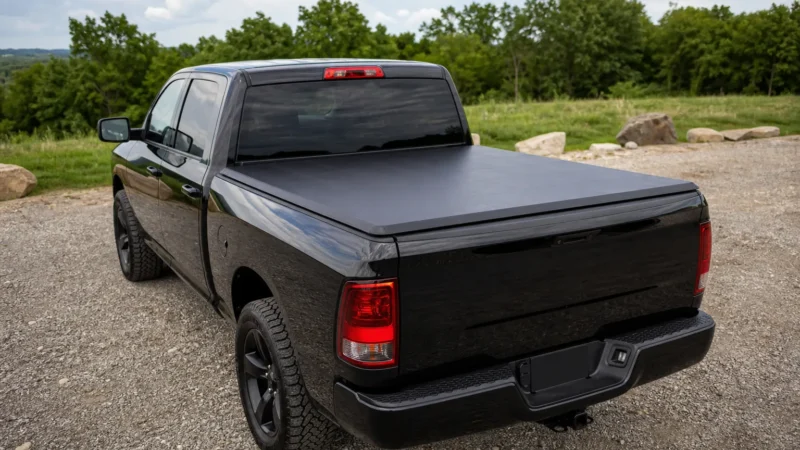
Hard vs soft tonneau cover comparison cover image

You’ve got five tabs open, varies budgeted, and every tonneau cover comparison article tells you the same thing: hard is more secure, soft is cheaper. That’s a fact, not a decision. The actual question is whether the the going rate price gap between a soft roll-up like the Tyger Auto T1 and a hard retractable like the BAKFlip MX4 is money you’ll ever recover – in security, in weather protection, in resale value, or in anything that matters to how you actually use your truck.

Four questions will route you to the right cover faster than any spec sheet. The answers also happen to expose where the hard vs soft tonneau cover debate gets deliberately vague, and where the marketing math stops adding up.

The 30-Second Answer: Which Cover Is Right for You

About 80% of truck owners are better served by a soft tri-fold. That’s the honest answer before we get into anything else.

Run through these four questions. Be straight with yourself.

  • Do you haul tools or valuables daily? A contractor leaving the going rate in Milwaukee tools overnight needs locking hard panels – a soft cover’s hook-and-loop seal won’t stop a box cutter.
  • Do you park outside overnight in a high-crime ZIP code? Hard covers like the BAKFlip MX4 or Extang Solid Fold 2.0 add meaningful resistance. Soft covers don’t.
  • Do you run off-road or deal with heavy snow loads? Soft vinyl sags under wet snow and punctures on brush. Hard aluminum panels handle both without complaint.
  • Is your budget on the affordable side? You’re looking at soft covers regardless – entry-level hard options like the Tyger Auto T3 start in the typical range but quality hard covers sit in the mid-range.

All four answers are No? Get a soft tri-fold – the Tyger T3 or TruXedo Sentry CT. Done. You’ll spend varies install it in 20 minutes, and never think about it again.

Any answer is Yes? Keep reading. Each use case below maps to a specific cover type worth your actual money.

Hard vs Soft Tonneau Cover: The Honest Tradeoff Table

The gap between a soft roll-up and a hard one-piece is bigger than most buyers expect – and it shows up in ways that aren’t obvious from a product page photo.

Security is the clearest split. A soft vinyl cover takes under 90 seconds to cut through with a box cutter. Hard aluminum panels – think BAK Revolver X4s or RetraxPRO MX – resist forced entry long enough that most opportunistic thieves move on. That’s not marketing copy; it’s a basic materials reality.

Lifespan follows the same pattern. Soft tri-folds average roughly 3-4 years before the vinyl starts cracking at seams or the hinges loosen. Quality hard aluminum covers regularly hit 7-10 years in the same conditions. The tonneau cover price gap is real, but spread over a decade, a the going rate hard tri-fold costs less per year than two replacement soft covers at a competitive price each.

One honest note before the table: the resale retention figures below are category estimates based on observed listings on eBay Motors and Craigslist – not a controlled study. Model condition, truck fitment, and brand recognition all move the number. Treat these as directional, not precise.

Cover Type Security (1-10) Weather Seal Weight (lbs) MPG Impact Avg Lifespan Typical Warranty Install Time Resale at 5 yrs (est.)
Soft Roll-Up 2/10 Fair (rain OK, snow pools) 8-15 lbs +1-3% 2-4 years 1 year 10-20 min ~15-20%*
Soft Tri-Fold 3/10 Fair-Good (varies by seal quality) 15-25 lbs +1-3% 3-4 years 1-3 years 15-30 min ~20-25%*
Hard Tri-Fold 7/10 Good (solid panels, rubber seals) 55-80 lbs +2-4% 7-10 years 3-5 years 30-45 min ~35-45%*
Hard One-Piece (retractable) 9/10 Excellent (drain channels, tight seals) 90-130 lbs +3-5% 10+ years Limited lifetime 45-90 min ~45-55%*

* Resale figures are category estimates from observed eBay Motors and Craigslist listings, not a controlled study. Condition, brand, and fitment specificity affect actual value significantly.

Weight deserves a separate word. A hard retractable cover can hit 130 lbs. Two people makes installation manageable. Solo, it’s a back problem waiting to happen – and a legitimate reason to choose the hard tri-fold instead, which two hands can handle.

These are category averages. A BAK Revolver X4s performs differently than a generic Amazon hard cover at the same price point. Shop by model specs, not just cover type.

What ‘Soft Tonneau Cover’ Actually Means in 2026

What 'Soft Tonneau Cover' Actually Means in 2026
What ‘Soft Tonneau Cover’ Actually Means in 2026

“Soft tonneau cover” covers three different products that perform nothing alike. Most comparison articles treat them as one thing. They’re not.

The cheapest option is the roll-up vinyl cover – think TruXedo TruXport at varies. You roll it toward the cab, secure it with hook-and-loop straps, and you’ve got full bed access in about 10 seconds. Fast and simple. The tradeoff: Velcro-style straps typically degrade under UV in 2.5–3 years, and the security is genuinely minimal. A box cutter ends the conversation.

The soft tri-fold is where the category got interesting. Models like the Tyger T3 (the going rate) and Gator ETX (the going rate) now ship with aluminum frames and dual-latch rail systems that didn’t exist on 2018-era covers. That hardware closes roughly 70% of the security gap that used to separate soft from hard. These are not the floppy vinyl panels your neighbor had in 2017.

Then there’s the soft quad-fold. Skip it. At its price point – usually the going rate and up – you’re within reach of a hard tri-fold with better rigidity, longer panel life, and comparable bed access.

Best Soft Roll-Up Tonneau Cover Picks

Model Type Price Range Best For
TruXedo TruXport Roll-up vinyl varies Frequent full-bed access, mild climates
Tyger T3 Soft tri-fold the going rate Best value, security-conscious buyers
Gator ETX Soft tri-fold the going rate Slightly thicker vinyl, tighter rail fit

If the question is are soft tonneau covers secure, the honest answer depends entirely on which type you’re buying. A roll-up in 2026 is still a deterrent, not a lock. A dual-latch soft tri-fold with aluminum rails is a different tool altogether.

What ‘Hard Tonneau Cover’ Actually Means in 2026

What 'Hard Tonneau Cover' Actually Means in 2026
What ‘Hard Tonneau Cover’ Actually Means in 2026

“Hard tonneau cover” describes four different products with very different tradeoffs. Most buyers are shopping for one specific type without knowing it.

Here’s how the market actually breaks down:

  • Hard tri-fold aluminum – the most popular category by sales volume. Panels fold toward the cab, giving you about 75% bed access. The BAKFlip MX4 (the going rate) and Extang Solid Fold ALX (the going rate) dominate this space for good reason.
  • Hard quad-fold – one extra panel, slightly different folding geometry. Rarely worth the price premium over tri-fold unless your bed length makes it necessary.
  • One-piece hinged fiberglass – maximum security, minimum access. You’re lifting a 40+ pound lid every time you need something from the bed. Used mostly on work trucks where theft risk outweighs convenience.
  • Low-profile painted – matches your cab color, dealer-upsell territory. Budget the going rate and you’re paying largely for aesthetics.

Material matters more than people admit. Aluminum panels are the lightest, dent-resistant option and hold up longest. Fiberglass is heavier but genuinely paintable. Polymer covers cost less but UV-degrade after 4-5 years – closer to a hard vinyl soft cover than to real aluminum.

Best Hard Folding Tonneau Cover Picks

Model Street Price Why It Stands Out
BAKFlip MX4 the going rate Matte finish hides scratches; aluminum panels with integrated drain tubes
Extang Solid Fold ALX the going rate Cheaper entry to aluminum tri-fold; slightly bulkier hinge profile
UnderCover Flex the going rate Tri-fold with gear track rail built in; best for accessory mounting

If folding panels feel like a compromise, the RetraxPRO MX (the going rate) is the retractable option worth considering. It rolls into a canister at the cab end and gives you full bed access without removing anything. The tradeoff: it sits higher in the bed and eats about 2 inches of interior height.

Security: Can a Thief Really Cut Through a Soft Cover?

Yes – and faster than most owners expect. Bare vinyl roll-up covers offer almost no resistance to a knife. The real question is whether that matters for how you actually use your truck.

The honest split looks like this:

Cover type Defeat method Noise / visibility
Bare vinyl roll-up Box cutter, one slash Silent, nearly instant
Soft tri-fold (Tyger T3-style, dual-latch aluminum frame) Prying at latch points Moderate effort, some noise
Hard tri-fold or hard one-piece (aluminum panels) Pry bar, sustained force Loud, visible, slow

A hard aluminum cover doesn’t make your bed a safe. It makes theft obvious and slow – enough to deter anyone scanning a parking lot for quick targets. That’s the actual value, not impermeability.

The caveat nobody puts on the product page: if your gear is visible through the rear cab window, a thief breaks the glass, not the cover. Tonneau cover security is only meaningful when there’s nothing visible to steal. Move valuables to the cab or use a bed-mounted lockbox alongside either cover type.

Soft tri-folds with reinforced aluminum frames – the Tyger T3 is the most common example in this category – are meaningfully harder to defeat than a plain vinyl roll-up. They’re not in the same security class as a hard cover, but they’re not the same as nothing, either.

Weather Performance: Where Soft Covers Fail (and Hard Covers Aren’t Perfect Either)

No tonneau cover is waterproof. That’s the starting point. The industry standard classifies all covers as water resistant, not waterproof — and that distinction matters the moment you park under a heavy rain for six hours.

Soft covers fail in predictable ways. Velcro edge seals degrade under UV exposure in 2-3 years, leaving gaps at the corners where water tracks straight in. Below -10°F, vinyl stiffens and cracks — not catastrophically, but enough to let wind-driven moisture through. On flat truck beds, water pools at the center seam during heavy rain. The seam holds initially, but repeated pooling stress eventually works through the stitching.

Cold Climate Specific Issues

Ice is the real enemy of vinyl. A hard freeze after a wet day can crack soft covers along fold lines, and there’s no good repair for that. Snow load matters too. Hard covers handle 200+ lbs of snow without deflection. Soft vinyl should be cleared at around 6 inches — let it pile higher and you’re stressing both the seams and the mounting rail system.

Hard covers have their own failure timeline. BAKFlip MX4 owners regularly flag clogged rear drainage tubes in long-term ownership threads — a slow problem that becomes a wet-bed problem if ignored. Hinge seals on folding hard covers start showing gaps around year 4-5. Low-profile fiberglass panels chip at paint edges, which opens the underlying material to moisture.

Failure Mode Soft Cover Hard Cover
UV/seal degradation Velcro gaps in 2-3 years Hinge seals in 4-5 years
Extreme cold Vinyl cracks below -10°F Drainage tubes freeze/clog
Heavy snow load Clear at 6 inches Handles 200+ lbs
Standing water Pools at center seam Drainage tube clogs trap water

For pure truck bed protection in a cold, wet climate, a hard cover wins — but only if you flush the drainage tubes once a year. Skip that, and the BAKFlip’s rear tubes become a liability rather than a feature.

The Real 5-Year Cost of Ownership

The Real 5-Year Cost of Ownership

The hard vs soft tonneau cover price gap shrinks dramatically once you run the actual numbers over five years.

Start with the soft side. A TruXedo TruXport runs in the typical range. Velcro channels and vinyl both degrade, and most owners replace around year four – add the going rate for that. Total: the going rate over five years, with essentially the going rate resale value when the truck sells. The vinyl doesn’t transfer well, and buyers know it.

A BAKFlip MX4 costs in the typical range installed – if you buy it yourself online. The aluminum panels don’t degrade. Resale on a used MX4 runs varies on a truck sale. Net cost: roughly varies over five years.

That delta is in the typical range more for the hard cover. Four dollars a month.

Cover Purchase price 5-yr replacement Resale value Net 5-yr cost
TruXedo TruXport (soft roll-up) the going rate the going rate the going rate the going rate
BAKFlip MX4 (hard folding) the going rate the going rate the going rate the going rate

One honest caveat on fuel economy claims: the SEMA Foundation has funded aerodynamic research on truck bed covers, but published fuel savings figures vary widely depending on speed, truck model, and bed configuration. Treat any specific MPG percentage as directional, not guaranteed – and if you mostly drive city miles, the aerodynamic benefit is close to zero regardless of cover type.

The number that actually moves TCO: dealer install markups. Dealers routinely add varies on top of a hard cover’s retail price. Buy online, install yourself (both the TruXport and MX4 mount in under an hour with basic tools), and that gap between hard and soft covers becomes genuinely narrow.

Use Case 1: Daily Commuter Who Rarely Hauls

If your truck bed sits empty four days out of five, a soft tri-fold is the right call. Full stop.

The security argument for hard covers assumes someone is regularly targeting your bed. For a daily commuter parked in a suburban driveway or office lot with nothing in the bed, that risk is close to zero. As covered above, a box cutter opens cheap vinyl in seconds – but thieves target cargo, not empty space.

The MPG math also doesn’t favor spending more. Hard folding covers can improve fuel economy by 1-2% over an open bed, but so can a decent soft tri-fold. The gap between the two cover types is negligible at city speeds and short highway runs. You will not feel the going rate of aerodynamic difference on a suburban commute.

Two picks worth looking at in this segment:

  • Tyger T3 (varies for F-150 and Silverado fitments) – aluminum frame, latches on all three panels, installs without drilling in under 20 minutes
  • Gator ETX (the going rate) – slightly heavier vinyl, marginally better rain sealing, same no-drill clamp system

Both sit well under the the going rate threshold where the 5-year cost math, as laid out earlier, clearly favors soft. For a commuter who hauls mulch twice a year, the best soft tonneau cover is simply the one that doesn’t cost the going rate more than it needs to.

Use Case 2: Contractor and Work Truck With Tools

If your bed carries tools, a hard folding tonneau cover isn’t a luxury upgrade — it’s basic loss prevention math.

One stolen Milwaukee M18 combo kit runs varies. A DeWalt table saw goes for a fair price or more. The price gap between a decent soft cover and a quality hard folding cover is varies. That gap disappears the first time an opportunistic thief walks past your truck and keeps walking because cutting through rigid aluminum panels isn’t the same as slicing vinyl.

Soft covers don’t deter that kind of theft. As covered in the security section above, bare vinyl opens in about 8 seconds. A contractor’s truck parked at a job site for six hours is a different exposure than a commuter’s truck sitting in a suburban driveway.

Two hard covers stand out for work trucks specifically:

  • BAKFlip MX4 – aluminum panels, flush mount, locks at the cab and tailgate. in the typical range for most half-ton beds. Clean install that doesn’t look like job-site equipment.
  • Extang Solid Fold ALX – comparable aluminum construction, typically in the typical range. Better choice if you’re watching the budget but still need real tonneau cover security.

Skip the one-piece hinged fiberglass if you regularly need full bed access. Most contractors do. A folding panel design takes about four seconds to open completely — fiberglass requires you to prop it up and work around it.

For very high-value tool loads, a hard cover combined with an under-rail toolbox gives you two separate locked compartments. That combination is worth pricing separately before you commit to a cover alone.

Use Case 3: Weekend Hauler (Bikes, Camping Gear, Home Depot Runs)

For the truck that sits clean Monday through Friday but hauls a full bed on Saturday, panel-by-panel access is the deciding factor — not security, not price. Tri-fold format wins. A one-piece retractable looks great in a parking lot but becomes a nightmare when you’re loading two mountain bikes and a cooler.

Soft or hard tri-fold? Depends on one question: do you camp overnight in places where someone might want what’s in your bed?

If no, the Tyger T3 soft folding tonneau cover runs varies and handles 95% of weekend hauler needs. It folds to the cab in three panels, leaving the full bed open in under 10 seconds. That matters at the trailhead. The vinyl won’t stop a box cutter — as covered in the security section above — but if you’re unloading at the campsite anyway, it’s never locked.

If you do park overnight with gear inside, step up to the BAKFlip MX4. It’s the most-cited hard folding tonneau cover in this category on truck owner forums, runs varies and the aluminum panels resist prying without adding significant weight penalty.

Cover Type Price range Best for
Tyger T3 Soft tri-fold varies Day trips, Home Depot runs, fair-weather camping
BAKFlip MX4 Hard tri-fold varies Overnight camping, gear-heavy loads, mixed weather

One practical note on loading workflow: all tri-folds fold toward the cab, which means long lumber or 8-foot sheets need to ride with the cover fully open and strapped back. That’s a 30-second setup. Plan for it and it’s not an issue.

Use Case 4: Overlander and Off-Road Truck

Trail dust ends the soft cover conversation before it starts. Fine silt finds every Velcro gap and vinyl seam split, and within a few weekends your cab smells like a quarry. A hard cover with perimeter gaskets – the BAKFlip MX4 or UnderCover Flex – cuts that infiltration dramatically. It’s not perfect sealing, but it’s the difference between wiping down your gear and replacing it.

The second issue is rack load. If you run a rooftop tent or a slimline rack over the bed, soft covers support exactly zero pounds of static load. Hard aluminum panels on covers like the BAKFlip MX4 typically handle 300 to 400 lbs – enough for a RTT and a pair of Hi-Lift jacks.

Want retractable and still need rack compatibility? The RetraxPRO MX runs a T-slot rail system that accepts most aftermarket rack hardware. It costs more – street price in the typical range on a full-size bed – but it’s the only retractable that plays well with bed rack setups.

Before you buy: read the warranty document, not the marketing page. Several hard cover brands void coverage for “unpaved road use.” BAKFlip explicitly covers off-road conditions in their MX4 warranty; confirm your chosen model does the same before you commit.

Use Case 5: Cold Climate and Year-Round Outdoor Parking

If you park outside year-round in Minnesota, Montana, or anywhere in Canada, a soft cover isn’t a budget choice — it’s a liability.

Bare vinyl cracks below -10°F. That’s not a worst-case scenario; that’s a normal January morning in Duluth. Velcro loses its grip when ice coats the strips, which means your cover is functionally open at the worst possible time. Stack more than 6 inches of snow on a vinyl tri-fold and you’re putting real stress on the seams. Frozen latch rails at -20°F stop sliding covers cold — literally.

Hard aluminum panels don’t have these problems. Aluminum handles -40°F without material degradation, and foam or rubber perimeter seals maintain compression in cold far better than Velcro does. The UnderCover Flex has one of the stronger cold-weather seal systems available in the folding category right now.

One nuance worth knowing: retractable covers aren’t automatically safe here. The canister seal on the RetraxPRO MX degrades in extreme cold faster than fold-style hard covers. Always check the manufacturer’s cold-rating spec before buying any retractable for a northern climate.

Cold climate is one of the three use cases where the hard cover premium pays back within 18 months — the other two being contractor tool storage and daily driver security. A replacement soft cover runs varies every two to three years in harsh winters. A hard folding cover, bought once, outlasts that cycle by a wide margin and keeps your truck bed actually sealed when the temperature drops.

Extang vs TruXedo and Other Brand Matchups Worth Knowing

Three matchups settle most of the tonneau cover comparison questions buyers actually search for.

Matchup Price range Who wins and why
Extang Solid Fold ALX vs TruXedo Sentry CT the going rate vs the going rate Extang on durability (aluminum panels vs hard poly); TruXedo if the going rate matters more than long-term wear
Extang Solid Fold ALX vs BAKFlip MX4 the going rate vs the going rate BAKFlip for work trucks and off-road — marine-grade aluminum and dual-action tailgate seal justify the gap
TruXedo TruXport (soft roll-up) varies Best soft option on the affordable side if security isn’t a priority — the benchmark for the budget soft category

The Solid Fold ALX versus Sentry CT debate comes down to panel material. Aluminum outlasts hard poly in temperature cycling — relevant if you park outside in climates covered earlier in this article. The TruXport is straightforward: vinyl roll-up, no frills, honest price. For our full breakdown of the top soft roll-up options, see our best soft roll-up tonneau covers guide.

BAKFlip MX4 is the pick for contractors who read the work truck section above and still want a hard folding tonneau cover that handles mud, tools, and tailgate abuse without sealing failures after a year.

When to Skip Both: Alternatives Worth Considering

When to Skip Both: Alternatives Worth Considering

Sometimes the honest answer is that neither a hard nor soft tonneau cover is the right truck bed accessory for what you’re actually doing.

Three situations where you should buy something else entirely:

  • You sleep in the bed or haul dogs regularly. A camper shell (also called a truck cap) gives full vertical clearance and true weather enclosure. No tonneau cover — hard or soft, the going rate or the going rate — comes close to that. The comparison isn’t even interesting.
  • You need accessible secure storage more than bed coverage. A crossover toolbox plus a soft tri-fold like the TruXedo TruXport runs in the typical range combined. That beats a the going rate hard folding cover for anyone who opens their storage 10 times a day on a job site.
  • You need full-bed access with one hand, fast. The RetraxPRO MX (the going rate) or Roll-N-Lock M-Series (the going rate) are the best retractable tonneau cover options for frequent full-bed users. They open in three seconds without removing panels or folding anything back.

The hard vs soft tonneau cover debate assumes you want a tonneau cover. Not everyone does. Know what problem you’re actually solving before spending the going rate.

Installation: What the Instructions Won’t Tell You

Both cover types are designed for a home garage install. You don’t need a dealer, and you definitely don’t need to pay the varies markup most shops charge to mount them.

The real difference is time and how much you’ll curse at panel alignment.

  1. Soft tri-fold (20 minutes, one person): Unfold the cover, set it on the bed rails, slide the clamps into the rail channel, hand-tighten. That’s it. No tools beyond whatever’s already in your junk drawer. Brands like TruXedo Lo Pro and Extang Trifecta 2.0 are genuinely this straightforward.
  2. Hard tri-fold (30–60 minutes, two people recommended): Panel alignment on longer beds – especially F-150 SuperCrew configurations – can be finicky solo. One person holding, one person tightening, saves a second trip out to re-seat a panel that looked flush but wasn’t.
  3. One-piece hinged hard covers: Verify before ordering. Some require drilling into the bedrail. Once those holes are there, they’re there.

Bedliner fitment warning: If your truck has an aftermarket spray-in bedliner with raised edges, measure the inside rail width – not the bed width printed on the tonneau cover price tag or product page. Multiple BAKFlip fitment issues trace directly to this mismatch. An inch of overspray changes the math.

Dealer install is rarely worth it. The process on both a soft tonneau cover and a hard tonneau cover is built around a standard residential driveway. If you can assemble IKEA furniture, you can do this.

Buying Checklist Before You Hit Order

Most fitment problems aren’t about hard vs soft tonneau cover choice — they happen because someone measured “short bed” and stopped there.

Before you click buy, run through this list. Each point has killed an order for someone who skipped it.

  • Measure to the nearest quarter inch. Bed length isn’t just “short” or “long.” The common sizes are 5’5″, 5’8″, 6’5″, and 8′. A 2026 F-150 SuperCrew ships with a 5’5″ bed; a SuperCab of the same year gets 6’5″. Wrong config, wrong cover, return shipping on your dime.
  • Check your bedliner before ordering clamps. Spray-in liners add 0.25 to 0.5 inches to the rail height. That’s enough to prevent a standard clamp from seating flush, which creates the exact gap that lets water in — the opposite of truck bed protection.
  • Test tailgate clearance in your actual garage. Several hard folding covers, including the Extang Solid Fold 2.0, require the tailgate fully open before the panels fold back. If your garage wall is 18 inches behind your bumper, measure that now.
  • Read the UV clause in any soft cover warranty. TruXedo and Tyger both exclude UV degradation from their standard warranty coverage. The vinyl fading you’ll see in year two or three is on you, not them.
  • Confirm the return window before you order. Amazon gives you 30 days; buying direct from a manufacturer often drops that to 15. Fitment issues usually show up on the first install, so those extra two weeks matter more than they sound.

The tonneau cover comparison that matters most isn’t hard versus soft. It’s your exact cab-and-bed config against the fitment chart. Spend ten minutes on that before anything else.

Our Verdict: The 80/20 Recommendation

Our Verdict: The 80/20 Recommendation

For 80% of truck owners, a soft tri-fold on the affordable side wins. Full stop.

Daily commuters, weekend haulers, occasional campers — none of them need a the going rate aluminum panel. They need decent weather resistance, clean looks, and something that folds out of the way when they throw a couch in the bed. The TruXedo TruXport (the going rate) or Tyger T3 (the going rate) does exactly that. Buy one, install it Saturday morning, drive Sunday.

Three situations justify spending more. If you’re a contractor loading tools every morning, an overlander eating trail dust on weekends, or someone parking outside in Minnesota all winter — the soft cover math stops working. You’ve already seen why in the sections above.

Budget Pick Best for
on the affordable side TruXedo TruXport or Tyger T3 Commuters, light weekend use
varies Extang Solid Fold ALX or UnderCover Flex Mixed use, occasional tool loads
varies BAKFlip MX4 or RetraxPRO MX Contractors, overlanders, cold-climate parkers

The best hard tonneau cover for most buyers isn’t the most expensive one — it’s the one that matches an actual daily need. If that need is “I just want my bed covered,” the best soft tonneau cover at a competitive price saves you the going rate and lasts five years without complaint. Spend up only when a specific use case forces your hand.

Frequently Asked Questions

Is a hard tonneau cover worth the extra money over a soft one?

For the average commuter, no. The the going rate premium between a quality soft tri-fold like the Extang Trifecta 2.0 and a hard aluminum cover like the BAKFlip MX4 takes five or more years to justify through resale bump and fuel savings. Run the 5-year total cost of ownership and the math is tight at best. But if you’re a contractor, park outside in Minnesota winters, or wheel your truck hard on weekends, the durability and security gap pays off within 18 months — the math genuinely flips.

Can thieves easily cut through a soft tonneau cover?

A basic vinyl roll-up opens with a box cutter in under 10 seconds — that’s not an exaggeration. Better soft tri-folds with aluminum frames and dual latches slow things down, but they’re still not impenetrable. Hard covers require actual prying tools and 2–3 minutes of visible, noisy effort — a real deterrent in a parking lot. That said, neither cover stops a determined thief if your gear is visible through the rear cab window.

Do hard tonneau covers improve gas mileage more than soft ones?

Aerodynamic testing puts hard covers at a 3–5% highway MPG improvement; soft tri-folds land at 1–2%. At 15,000 miles per year, that difference works out to in the typical range annually — not nothing, but not a deciding factor. City driving nets almost zero gain from either type. Don’t buy a hard cover for the fuel savings; buy it for durability and security.

How long does a soft tonneau cover last compared to a hard one?

Quality soft tri-folds — even well-regarded ones like the Tyger Auto T3 — average 3–5 years before Velcro loses grip or vinyl starts cracking and chalking. Hard aluminum covers like the Retrax ONE MX routinely go 7–10 years with nothing more than an occasional seal swap. That lifespan gap is the single strongest argument for hard covers when you do honest 5-year cost math.

Which is better in snow and ice: hard or soft tonneau cover?

Hard cover wins without argument. Vinyl gets brittle and cracks below -10°F, ice kills Velcro adhesion, and more than 6 inches of snow accumulation stresses soft seams and stitching. Hard aluminum handles -40°F without any material degradation. Cold-climate outdoor parking is one of three use cases — alongside contractor cargo security and overlanding — where the hard cover premium is unambiguously justified.

Can I install a hard tonneau cover myself, or do I need a shop?

Most hard tri-folds are designed for self-install — grab a second person for panel alignment and budget 30–60 minutes. Dealer installs typically run varies and are almost never worth it for a clamp-on design. The one exception is one-piece hinged covers that require drilling into the bed rail. Soft covers are genuinely solo, 20-minute jobs — no tools, no second person needed.

Does a tonneau cover affect truck resale value?

Hard covers retain roughly 40% more of their value at five years and make a truck more attractive to buyers who treat them as a premium add-on. A soft cover in clean condition is basically neutral to resale. A soft cover with cracked vinyl and faded, peeling Velcro actively hurts perceived value — buyers discount the truck, not just the cover.

What is the difference between hard and soft tonneau covers beyond price?

The core differences are construction material (aluminum or fiberglass versus vinyl or fabric), forced-entry resistance, lifespan, and how well they hold a weather seal over time. The price gap reflects real, measurable differences in durability and security — it’s not just marketing. But if your truck sits in a garage, hauls light cargo, and lives in a mild climate, those advantages may never matter enough to justify the spend.

{
“@context”: “https://schema.org”,
“@type”: “BlogPosting”,
“headline”: “Hard vs Soft Tonneau Cover: Which One Is Actually Worth It?”,
“description”: “The hard vs soft tonneau cover debate skips the real question: is the the going rate gap worth it for your truck use? Four questions cut through the marketing noise fast.”,
“url”: “https://truckbedcoverfinder.com/blog/hard-vs-soft-tonneau-cover/”,
“mainEntity”: {
“@type”: “FAQPage”,
“mainEntity”: [
{
“@type”: “Question”,
“name”: “Do you haul tools or valuables daily?”,
“acceptedAnswer”: {
“@type”: “Answer”,
“text”: “A contractor leaving the going rate in Milwaukee tools overnight needs locking hard panels – a soft cover’s hook-and-loop seal won’t stop a box cutter.”
}
},
{
“@type”: “Question”,
“name”: “Do you park outside overnight in a high-crime ZIP code?”,
“acceptedAnswer”: {
“@type”: “Answer”,
“text”: “Hard covers like the BAKFlip MX4 or Extang Solid Fold 2.0 add meaningful resistance. Soft covers don’t.”
}
},
{
“@type”: “Question”,
“name”: “Do you run off-road or deal with heavy snow loads?”,
“acceptedAnswer”: {
“@type”: “Answer”,
“text”: “Soft vinyl sags under wet snow and punctures on brush. Hard aluminum panels handle both without complaint.”
}
}
]
},
“keywords”: “hard soft tonneau cover, tonneau cover comparison, truck bed cover”,
“articleBody”: “You’ve got five tabs open, varies budgeted, and every tonneau cover comparison article tells you the same thing: hard is more secure, soft is cheaper. That’s a fact, not a decision. The actual question is whether the the going rate price gap between a soft roll-up like the Tyger Auto T1 and a hard retractable like the BAKFlip MX4 is money you’ll ever recover – in security, in weather protection, in resale value, or in anything that matters to how you actually use your truck. Four questions will route you to the right cover faster than any spec sheet.”,
“inLanguage”: “en-US”
}

Planning to add a bed rack? Hard covers are your primary option — see which ones actually pair with racks in our tonneau cover rack combo guide.

Keep reading

Related stories

Find my cover