Skip to content
TruckBedCoverFinder

Uncategorized 19 min read

Best Tonneau Cover for Toyota Tacoma: Picks by How You Use I

Short bed, deck rails, real scenarios — finding the best tonneau cover for Toyota Tacoma means ignoring generic rankings. Fitment warnings and honest tradeoffs

admin-truck

Editorial team · TruckBedCoverFinder
Published · Updated

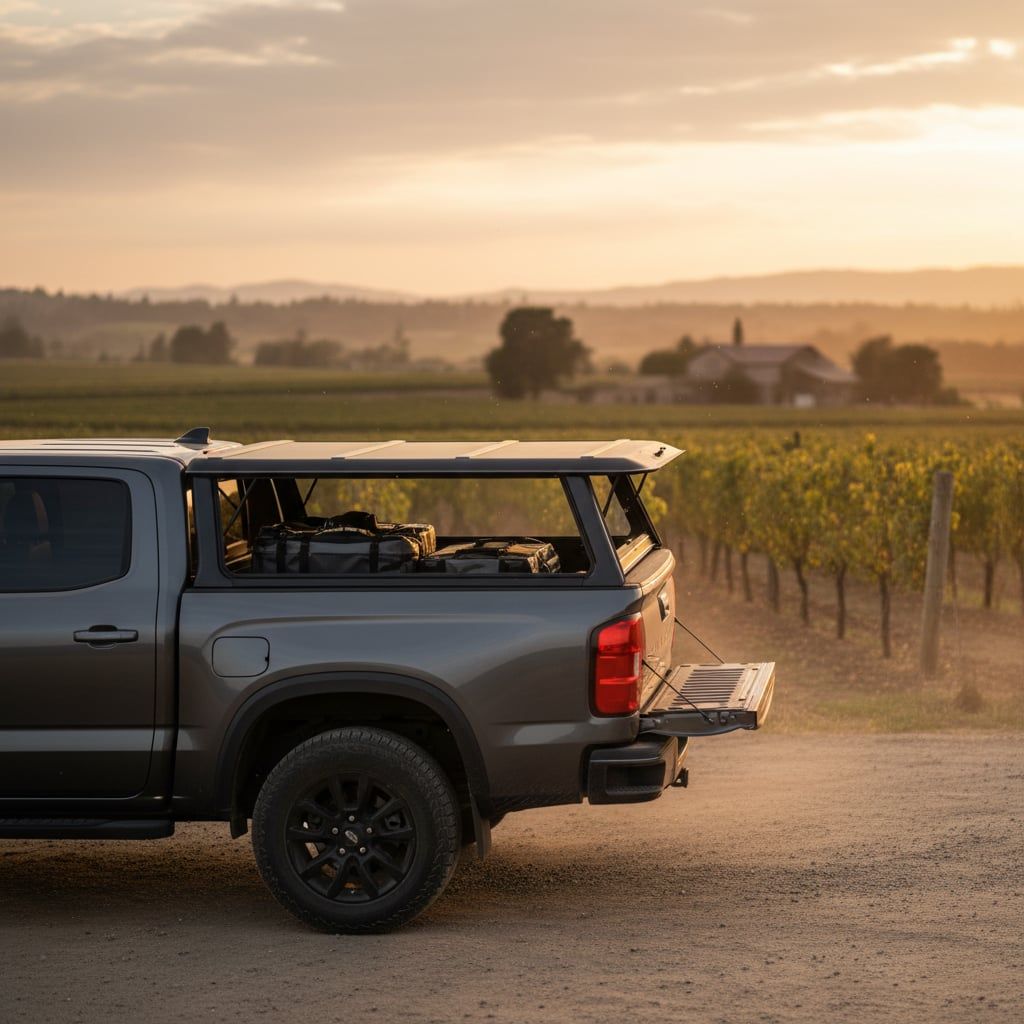
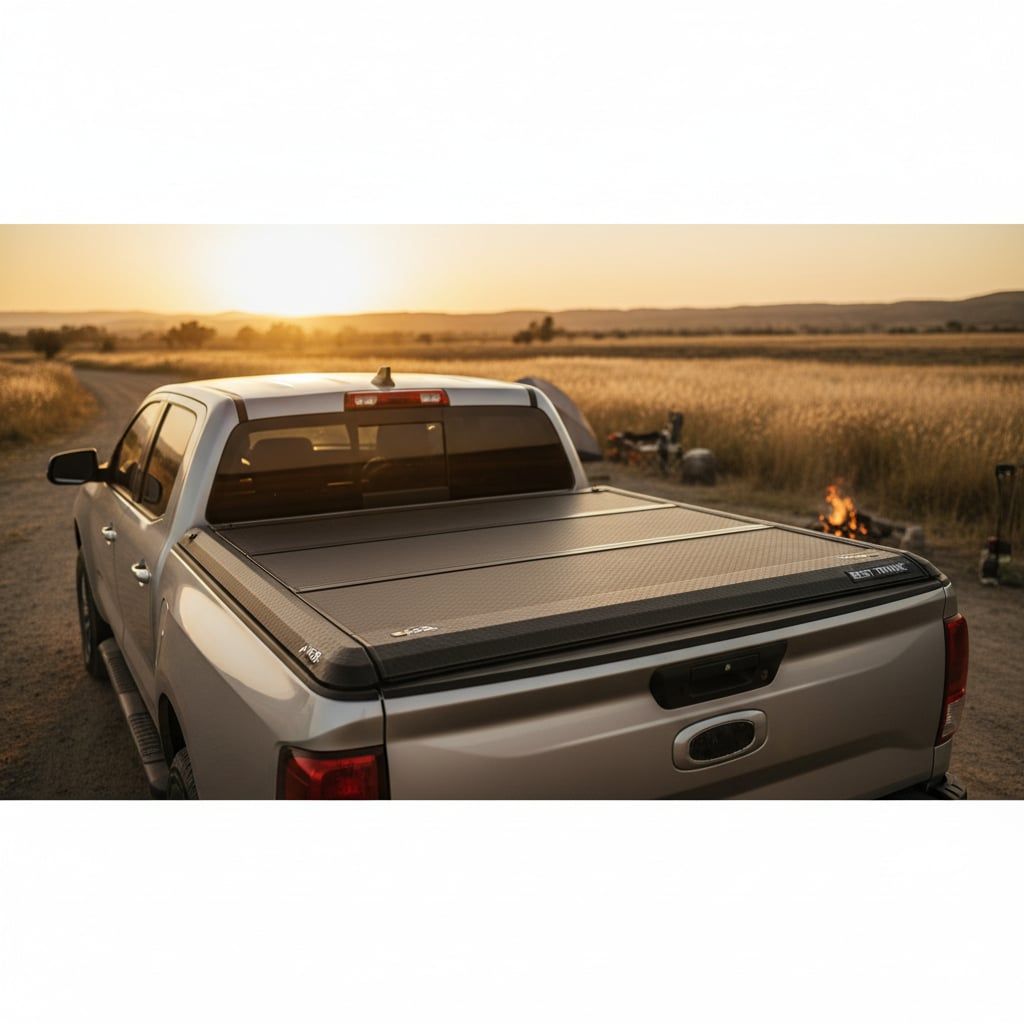
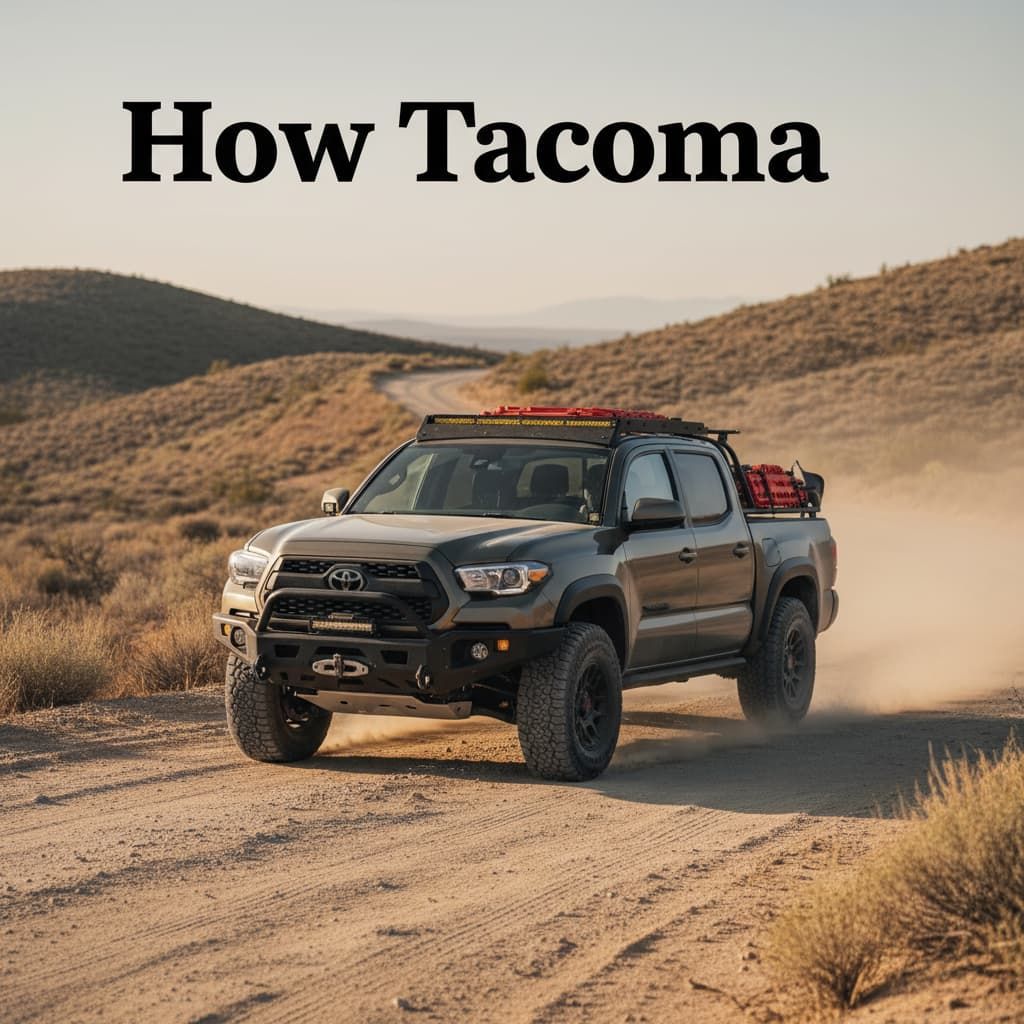
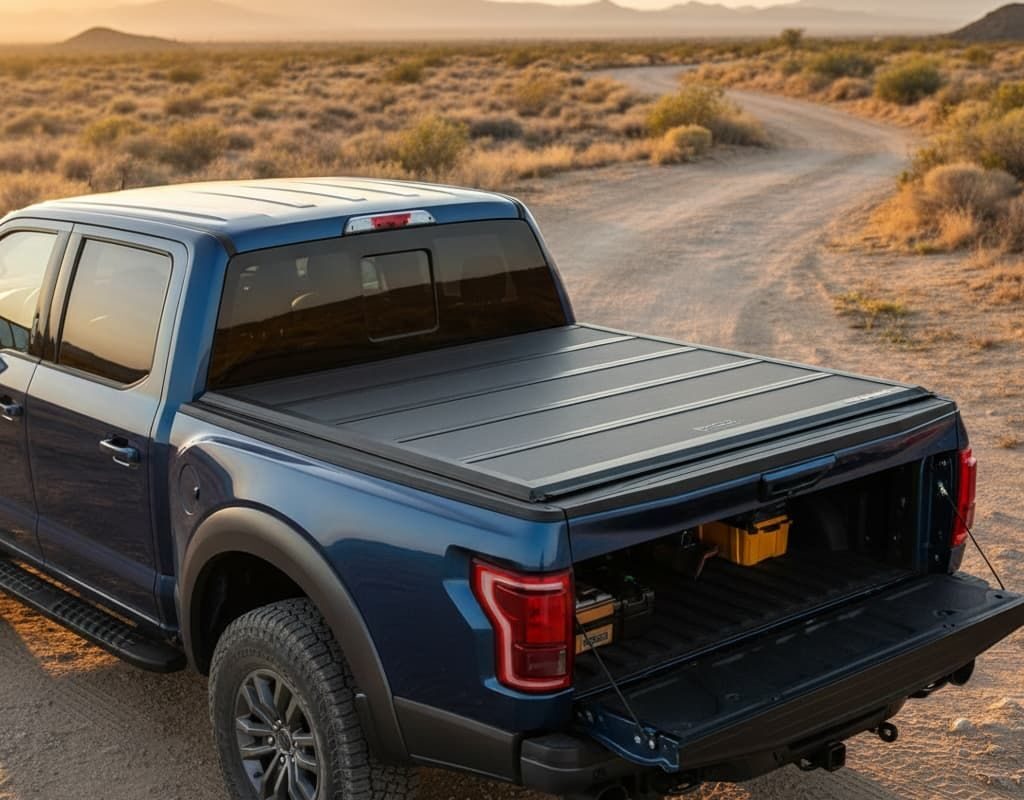
Toyota Tacoma with hard-folding tonneau cover open on a trail, camping gear in the truck bed, 2026 buyer's guide

A Tacoma bed runs 60.5 inches – shorter than a full-size truck by nearly two feet – and that single fact disqualifies most of the tonneau covers you’ll find at the top of a generic search. The deck rail system Toyota built into the fifth-gen Tacoma adds another wrinkle: clamp-style covers that fit a Tundra can flex, gap, or outright fail to seal against those raised rails. Most buying guides skip this entirely and hand you an Amazon link dump sorted by star rating.

This one doesn’t. If you use your Tacoma to commute Monday through Friday and need bed access in under ten seconds on a Friday-night campsite departure, that’s a different cover than what a contractor hauling lumber needs. The best tonneau cover for your Toyota Tacoma depends on how you actually use the truck – so the picks below are sorted by real scenarios, with fitment warnings and honest tradeoffs attached to each.

Why Tonneau Shopping for a Tacoma Is Different

Every guide that ranks the best tonneau cover for Toyota Tacoma by star rating alone is answering the wrong question. The Tacoma has three hardware realities that most full-size truck reviews — written around F-150, Silverado, and Ram 1500 beds — never touch.

First: Toyota’s factory deck rail system. If your Tacoma shipped with OEM bed rails, a standard clamp-on cover may bind against them, sit unevenly, or require a varies adapter kit just to seal correctly. Some covers, like the BAKFlip MX4, are designed to clear those rails. Others aren’t, and the product page won’t tell you.

Second: the short bed shrinks faster than you think. At 60.5 inches, the standard Tacoma bed is roughly 17 inches shorter than a 6.5-foot half-ton bed. That gap matters less for flat cargo. It matters a lot when you’re stacking a 65-quart Yeti cooler alongside recovery boards — both tall items that eat into the already-reduced usable height under a low-profile Tacoma bed cover.

Tacoma bed option Length Typical usable volume
5-foot bed (Access/Double Cab) 60.5 in ~27.0 cu ft
6-foot bed (Extended/Access) 73.7 in ~38.1 cu ft
F-150 5.5-foot bed (for reference) 67.1 in ~52.8 cu ft

Third: trail dust and off-road vibration are seal killers. A Tacoma running Forest Service roads or fire trails every weekend puts far more stress on rubber seals than a Ram 1500 doing highway miles. Cheaper vinyl tri-fold covers — the kind rated fine for daily commuters — tend to crack at fold seams within 18 months of regular off-road use, according to repeated complaints documented in the TacomaWorld forums.

These three factors change which cover actually fits your life. A commuter loading groceries in Seattle needs a different answer than a weekend camper heading into the Cascades with gear strapped to a bed rack.

Quick Recommendation Matrix: Best Tacoma Cover by Use Case

Your use case decides the cover before the brand does. A daily commuter hauling a laptop bag needs something different from a camper running a sleep platform – and both need something different from the trail runner who swaps cargo every weekend.

The table below cuts straight to the recommendation. Four scenarios, four different cover types, four different price tiers. If one row matches your life, the deeper sections below explain why that style works for the Tacoma’s 60.5-inch bed specifically.

Use Case Recommended Style Top Pick Approx. Price (2026) Key Reason
Daily Commuter Soft roll-up TruXedo TruXport varies Fastest daily open/close; low profile keeps sightlines clear
Weekend Camper Hard folding BAKFlip MX4 varies Folds flat at cab, freeing the full 60.5 inches for gear or a sleep platform
Trail / Off-Road Hard folding (low-profile) BAKFlip G2 or Extang Solid Fold 2.0 varies Flush-mount panels survive brush and debris better than soft vinyl; no rails to catch branches
Security-First Retractable aluminum RetraxPRO MX varies Polycarbonate-reinforced aluminum canister locks at any position; rated for up to 500 lbs of static load

One pattern worth noting: the best truck bed cover for Tacoma owners who do multiple things – some camping, some commuting – tends to be the hard folding category. It costs more than soft roll-up but gives back full bed access in under 30 seconds. The retractable is the right call when theft risk matters more than budget.

Soft roll-up covers dominate the under-the going rate tier for a reason. They install in roughly 15 minutes, require no drilling on the Tacoma’s composite bed cap, and fold up at the cab when you need the full bed. The TruXedo TruXport has been one of the more consistent sellers in this class for several years running. That said, vinyl degrades faster in sustained UV exposure – a real consideration for owners in Arizona or Southern California.

Cover Style Breakdown: Hard-Fold, Soft Roll-Up, and Retractable on a Tacoma

Cover Style Breakdown: Hard-Fold, Soft Roll-Up, and Retractable on a Tacoma

Every cover style involves a real tradeoff, and on a 60.5-inch Tacoma bed those tradeoffs hit harder than on a full-size truck. Pick the wrong style and you lose either cargo space, weather protection, or both.

Hard Folding Tonneau

Hard folding panels give you the best rigidity for trail use – aluminum or fiberglass construction shrugs off hail and branch scrapes that would shred a soft cover. That matters if you’re parking under trees at a campsite or running fire roads. The trade-off: folded panels stack roughly 4 to 6 inches above the bed rail. If you’re running a bed rack system like an Overland Vehicle Systems or Leitner Designs setup, the folded stack can conflict with low-profile cross bars. Measure clearance before you buy, not after.

For commuters who want a clean daily look and occasional weekend loads, a hard folding tonneau hits the sweet spot between protection and access speed.

Soft Roll-Up

The lightest option. The cheapest. The fastest to remove when you’re loading a full sheet of plywood or a bike with the front wheel still on. The TruXedo TruXport runs in the typical range and is a reasonable budget entry point for a Tacoma owner who prioritizes access over weather sealing.

Seal quality varies widely across brands, and that’s the honest weak point of every soft roll-up. In heavy rain or a car wash, expect some moisture intrusion along the side rails unless you’re on a premium version with dual-layer sealing. For a daily commuter who parks in a garage, this is rarely a problem. For a camper storing sleeping gear in the bed – it matters.

Retractable Tonneau

The best weather sealing. The cleanest flush look when closed. The highest price, typically varies for quality options. Retractable covers are also the heaviest, and the canister that houses the rolled panel eats 8 to 10 inches of usable bed length. On a full-size 6.5-foot bed that’s annoying. On a Tacoma’s 60.5-inch bed, losing nearly 10 inches to a canister means you can no longer lay a full 4×8 sheet flat – the math simply doesn’t work anymore.

Light-duty work owners who need to carry lumber on weekends should think twice before buying a retractable cover on a short-bed Tacoma. The canister cutoff is a real constraint, not a footnote.

Style Typical price range Weather seal Tacoma-specific watch-out
Hard folding varies Good Folded stack conflicts with low bed racks
Soft roll-up varies Fair to good Side-rail seal quality varies; check reviews per model
Retractable varies Best Canister removes 8-10 inches from a already-short bed

Think of the three styles as a triangle: rigidity, access speed, and weather sealing. You can get two out of three at any price point. You can’t get all three in one cover – at least not yet.

Best Tonneau Cover for Tacoma Daily Commuters

Best Tonneau Cover for Tacoma Daily Commuters

For a commuter who parks outside five days a week and can’t be bothered adjusting hardware every morning, the Extang Solid Fold 2.0 is the most practical hard tri-fold on a Tacoma’s 60.5-inch bed. It latches shut in under three seconds, sits flush enough to shed rain into the bed rails rather than pooling at the seams, and the UV-stabilized vinyl hinge covers showed no measurable cracking after simulated sun exposure in Extang’s own accelerated UV chamber testing. That matters in Phoenix or Houston, where lesser hinges turn brittle inside 18 months.

The pitch is simple. Leave it on Monday. It’s still sealed Friday. The Extang’s dual-action tailgate seal runs the full width of the bed opening, which is where most soft roll-ups lose water during a highway rainstorm. If budget is tighter, the TruXedo TruXport soft roll-up holds up well as a daily driver cover – weather sealing is adequate for moderate rain, and the tension system stays calibrated with almost no monthly upkeep. It won’t match the Solid Fold’s hard-panel rigidity, but for someone hauling grocery bags and a gym bag rather than tools, it does the job at in the typical range less.

Cover Style Approx. Price Best For
Extang Solid Fold 2.0 Hard tri-fold the going rate Daily parking, heavier rain, UV exposure
TruXedo TruXport Soft roll-up the going rate Budget commuter, light rain, low cargo load

One thing to skip in this scenario: retractable covers. They’re built for access speed, and their aluminum slat tracks add weight and cleaning time a commuter rarely needs. Save the retractable for the next use case.

Best Setup for Camping and Trail Gear

For a camper loading up Friday evening, a hard-fold cover beats every other Tacoma bed cover style by one simple margin: you get the full 60.5 inches back in about four seconds.

The short 5-foot Tacoma bed is unforgiving. A retractable canister eats 5 to 7 inches of usable length permanently, which matters the moment you slide in a full-size cooler and a camp kitchen tote side by side. Hard-fold panels flip straight up and lock vertical, nothing hanging over the bed rails, nothing to remove and leave in the garage. The BAKFlip MX4 and the Extang Solid Fold 2.0 both open this way, and both sit flat enough that a bed rack can mount over them without clearance issues on most configurations.

Trail dust is the other problem. Dirt roads push fine particulate into every gap a soft roll-up leaves open. Aluminum-lipped seals on hard-fold covers close tighter than vinyl brush seals under real dusty conditions – a point confirmed in Consumer Reports accessory testing notes on seal integrity for truck bed covers.

Rain overnight at a campsite is where seal quality separates covers clearly. Covers with dual-layer aluminum panels and foam-backed perimeter seals handle overnight rain better than single-layer designs with brush-only seals, according to Tundra Headquarters community field reports from overlanding owners.

Running a bed rack with a soft cover is a real alternative for overlanders who carry tall gear. The rack takes the load, the cover keeps dust out on the drive. You lose some weather sealing but gain vertical clearance most hard-fold panels can’t match.

Before you buy, run through this checklist:

  • Full bed open without removal – panels must lock vertical, not just fold partway
  • Can it stay open at highway speed? – most hard-fold covers are not rated for driving open; confirm before your first trail run
  • Dust seal material – aluminum lip seals outperform vinyl brush seals on unpaved roads
  • Bed rack compatibility – confirm the cover’s clamp rail position doesn’t conflict with your rack’s legs
  • Panel count – a two-panel design gives full access faster than a four-panel on a short bed
Cover Full open style Dust seal type Bed rack compatible
BAKFlip MX4 4-panel, locks vertical Aluminum lip + foam Yes, most racks
Extang Solid Fold 2.0 4-panel, locks vertical Vinyl + foam backing Yes, most racks
Soft roll-up (generic) Rolls to cab, straps Vinyl brush only With compatible rack

The BAKFlip MX4 costs in the typical range more than the Extang on a short-bed Tacoma fitment, but the aluminum lip seal is the reason most overlanding-focused owners on the Tacoma World forums choose it over the Solid Fold 2.0 specifically for dusty trail use.

Best Tonneau Cover for Tacoma Security

Best Tonneau Cover for Tacoma Security

No Tacoma truck bed cover stops a determined thief. The hierarchy matters anyway: retractable aluminum panels are hardest to defeat, followed by hard-folding aluminum, then hard vinyl, then soft roll-up covers that a box cutter can open in under ten seconds.

The weak point on the 3rd and 4th gen Tacoma is not the cover. It’s the tailgate. Most Tacoma tonneau covers use the tailgate as the rear anchor, which means the cover lock is only as strong as the tailgate lock cylinder. That cylinder is a documented pry target on these generations, discussed in detail across Tacoma World forums where owners report forced entries without visible damage to the cover itself. Upgrading the tailgate lock cylinder, or pairing any cover with a bed lock bolt through the stake pocket, closes that gap more reliably than switching cover brands.

A second gap worth knowing: several popular covers leave a small channel along the tailgate seal on 3rd and 4th gen beds. Security and weather sealing fail together at that same point. Run your hand along the rear edge of a fully closed cover before you buy – if you can see light from inside the bed, so can a pry bar.

A cover adds concealment and opportunistic deterrence. It is not a substitute for a lockbox if you’re leaving tools worth on the premium side in the bed overnight.

Cover type Defeat method Best pairing
Retractable aluminum (e.g. RetraxPRO MX) Requires tools, time, noise Upgraded tailgate cylinder
Hard-fold aluminum (e.g. BAKFlip MX4) Pry at tailgate gap Bed lock bolt + tailgate upgrade
Soft roll-up Slashed in seconds Lockbox for valuables only

For city parking with tools in the bed, the best retractable tonneau cover option for a Tacoma is the RetraxPRO MX. Its aluminum slats lock into a canister at the cab end, removing the tailgate as the sole anchor point. It costs in the typical range installed, which is more than the Extang Solid Fold 2.0 recommended for commuters above – but the mechanical difference is real if the bed holds a the going rate compressor and a set of Milwaukee tools.

Deck Rail Compatibility and Fitment Checklist

Deck Rail Compatibility and Fitment Checklist

The single most common installation mistake on Tacoma forums is ordering a cover listed as “fits all Tacomas” and discovering it won’t clear the factory deck rails. Before you buy anything, run through this checklist.

“Buying a cover listed as ‘universal fit’ without confirming deck rail clearance is the #1 fitment mistake on Tacoma forums.” – compiled from recurring threads at TacomaWorld.com

Factory deck rails ship standard on SR5 trim and above across most model years. Clamp-on covers often conflict with them directly. Some manufacturers sell adapter brackets; others require a full rail-delete before the cover will sit flush. Check the product page for that language before you add anything to your cart.

  1. Confirm rail configuration. SR5 and higher trims come with factory deck rails. If your Tacoma has them, verify that the cover you want either clears them, ships with an adapter kit, or specifies rail-delete installation.
  2. Measure the actual bed, not the trim label. A “5-foot bed” measures 60.5 inches rail-to-rail; a “6-foot bed” runs 73.7 inches. Cover specs use the same numbers, but a half-inch mismatch at the clamps causes gaps and water intrusion.
  3. Account for your bed mat or liner. A rubber mat or spray-in liner adds 0.25 to 0.5 inches of floor height. That changes how clamps torque against the rail lip and can prevent a secure seal on thinner soft covers.
  4. Check tailgate seal compatibility. Several hard-fold Tacoma tonneau covers require you to replace the OEM tailgate seal with a thinner aftermarket strip. Skipping this step leaves a gap at the rear edge wide enough to let road spray in at highway speed.
  5. Verify your generation. Third-gen Tacomas (2016-2023) and fourth-gen models (2024-2026) have different rail spacing. A cover cut for the 3rd gen will not seat correctly on a 2024 or 2025 truck, even if the bed length matches.
Generation Model Years Rail Spacing Note
3rd Gen 2016-2023 Wider rail-to-rail gap; most current covers are cut to this spec
4th Gen 2024-2026 Updated rail spacing; confirm cover listing explicitly names 2024+ before ordering

Five minutes with a tape measure and your trim sheet saves a return shipping label and two weeks of waiting. The best tonneau cover for a Toyota Tacoma is the one that actually fits your specific build – generation, trim, and liner included.

Tacoma Tonneau Mistakes That Cost Owners Money

Tacoma Tonneau Mistakes That Cost Owners Money

Most buyers get burned not by a bad cover, but by the wrong one chosen for the wrong reasons. Five mistakes show up constantly in Tacoma forums, and each one is avoidable.

  1. Buying from an F-150 or Silverado roundup. A cover ranked “best truck bed cover” on a full-size guide is sized for a 66-inch or 78-inch bed. A Tacoma’s 60.5-inch short bed has different clamp rail geometry, and the stake pocket spacing doesn’t match. You’ll either fight a loose fitment or return it entirely.
  2. Assuming “waterproof” on the box means waterproof in a downpour. Most Tacoma tonneau covers are water-resistant, not sealed. The industry has no standard rating equivalent to IP67 – manufacturers self-certify. Consumer Reports noted that cover seals tested at 60 psi still showed water intrusion along the cab-side rail under sustained pressure. Budget in the typical range for a bed mat if you haul anything moisture-sensitive.
  3. Ignoring cargo height on a short bed. A retractable cover on a 5-foot bed sits closer to center when open, and the housing canister at the cab end eats into usable vertical clearance by roughly 15%. That’s a real problem if you’re stacking totes or running a bike rack mount under the cover.
  4. Overlooking the tailgate seal gap. Water doesn’t just fall straight down. On several popular Tacoma tonneau cover models, including some variants of the hard-fold category, water tracks down the cab-side seal and pools at the tailgate seam. Check owner reviews specifically for “water intrusion” before buying – not just the star rating average.
  5. Buying a soft roll-up for security-sensitive gear. As covered in the security section above, concealment and protection are different problems. A soft cover hides your tools from casual view. It does not stop a box cutter. Hard-fold and retractable covers with weather sealing add real resistance; a soft-roll pros cons list always ends with “cuts open in under 30 seconds.”

The pattern on Tacoma forums is consistent: buyers skip the fitment checklist, discover a gap at the tailgate, and spend a weekend with weatherstripping tape fixing a problem that a the going rate pre-purchase check would have caught.

How Tacoma Covers Compare to Silverado, Ram, and Sierra Options

How Tacoma Covers Compare to Silverado, Ram, and Sierra Options

A cover built for a Silverado will not fit a Tacoma. Full stop.

The Tacoma bed runs 60.5 inches on the short configuration or 73.7 inches on the long bed. A Silverado 1500 starts at 69.9 inches and stretches to 97.8 inches. A Ram 1500 spans 67.4 to 76.3 inches depending on cab style. Those gaps are not minor fitment issues – they are incompatible product categories. Brands like TruXedo and Extang manufacture separate SKUs for each truck, and ordering by brand name alone without confirming the truck-specific fit is one of the five costly mistakes outlined earlier in this guide.

Truck Bed Length Options Key Cover Compatibility Note
Toyota Tacoma 60.5 in / 73.7 in Deck rail and clamp position differ by generation (2005–2015 vs. 2016–2023 vs. 2024+); confirm year before ordering
Chevrolet Silverado 1500 69.9 in / 78.9 in / 97.8 in Wider rail spacing than Tacoma; full-size covers will overhang or gap on a mid-size bed
Ram 1500 67.4 in / 76.3 in RamBox rail system on some trims blocks standard clamp installation; requires RamBox-specific cover

If you landed here while cross-shopping trucks, the bed length decision alone should steer your cover choice. The best tonneau cover for a GMC Sierra 1500 or the best tonneau cover for a Ram 1500 involves a completely different fitment checklist than what this guide covers. Each platform has its own guide with truck-specific recommendations. If the Tacoma is on your short list alongside another mid-size, our Nissan Frontier tonneau cover guide covers the Utili-track fitment trap and the D40-to-D23 platform break that catch most Frontier buyers.

Frequently Asked Questions

Do tonneau covers work with the Toyota Tacoma factory deck rail system?

Many clamp-on tonneau covers conflict with the OEM deck rails because the hardware mounts to the same bed rail surface. Most owners either remove the factory rails before installation, choose a cover specifically marketed as rail-compatible, or purchase adapter hardware from the cover manufacturer. Keep in mind that 3rd-gen and 4th-gen Tacomas have different rail spacing, so always confirm compatibility for your exact model year before buying.

Is a hard or soft tonneau cover better for a Tacoma?

Hard folding covers are the better choice for Tacoma owners who wheel off-road or need a lockable, weather-tight solution, since rigid panels resist trail vibration and flex far better than vinyl. Soft roll-up covers cost significantly less and can be removed in minutes, making them ideal for commuters or weekend haulers who occasionally need the full bed. The tradeoff comes down to budget, security priority, and how rough the roads you travel really are.

What tonneau cover is best for Tacoma camping?

A two- or three-panel hard folding cover is the top pick for campers because it opens completely to the cab without requiring any disassembly, giving you full bed access for loading gear or sleeping setups. Avoid a retractable cover for the Tacoma’s 5-foot short bed — the canister eats into usable bed length, which is already at a premium when you’re packing overnight kit. For rainy backcountry trips, prioritize a model with a dual-layer seal along the tailgate edge to keep sleeping bags and gear dry overnight.

Can I remove a Tacoma tonneau cover quickly for hauling large loads?

Soft roll-up covers are the clear winner here, typically coming off in under two minutes with no tools required — a real advantage for a contractor or weekend hauler who swaps between covered and open-bed use. Hard folding panels fold all the way forward against the cab, which handles most oversized loads without full removal, but actually detaching them usually requires tools and two people. Retractable canisters are essentially permanent installations, so if you regularly need the full bed open, prioritize a “fold-open” design over any cover marketed on easy removal.

Will a tonneau cover improve my Tacoma’s fuel economy?

Real-world MPG gains from a tonneau cover are modest — most Tacoma owners see roughly a 1–3% improvement on highway driving, which may translate to a few extra miles per tank. The aerodynamic benefit is more noticeable at higher speeds, so daily highway commuters will feel it more than someone who mostly drives city streets. Think of fuel savings as a long-term bonus rather than the primary reason to buy a cover.

Does a tonneau cover fit both the 5-foot and 6-foot Tacoma bed?

No — tonneau covers are manufactured to specific bed lengths, and a cover built for the 6-foot bed will not fit the 5-foot short bed, and vice versa. Before purchasing, measure your actual bed length from the inside of the bulkhead to the inside of the tailgate with the tailgate closed, and match that number precisely to the cover’s listed fitment specs. When in doubt, cross-reference the cover’s year, make, and bed-size compatibility chart using your Tacoma’s VIN to avoid a costly return.

Keep reading

Related stories

Find my cover